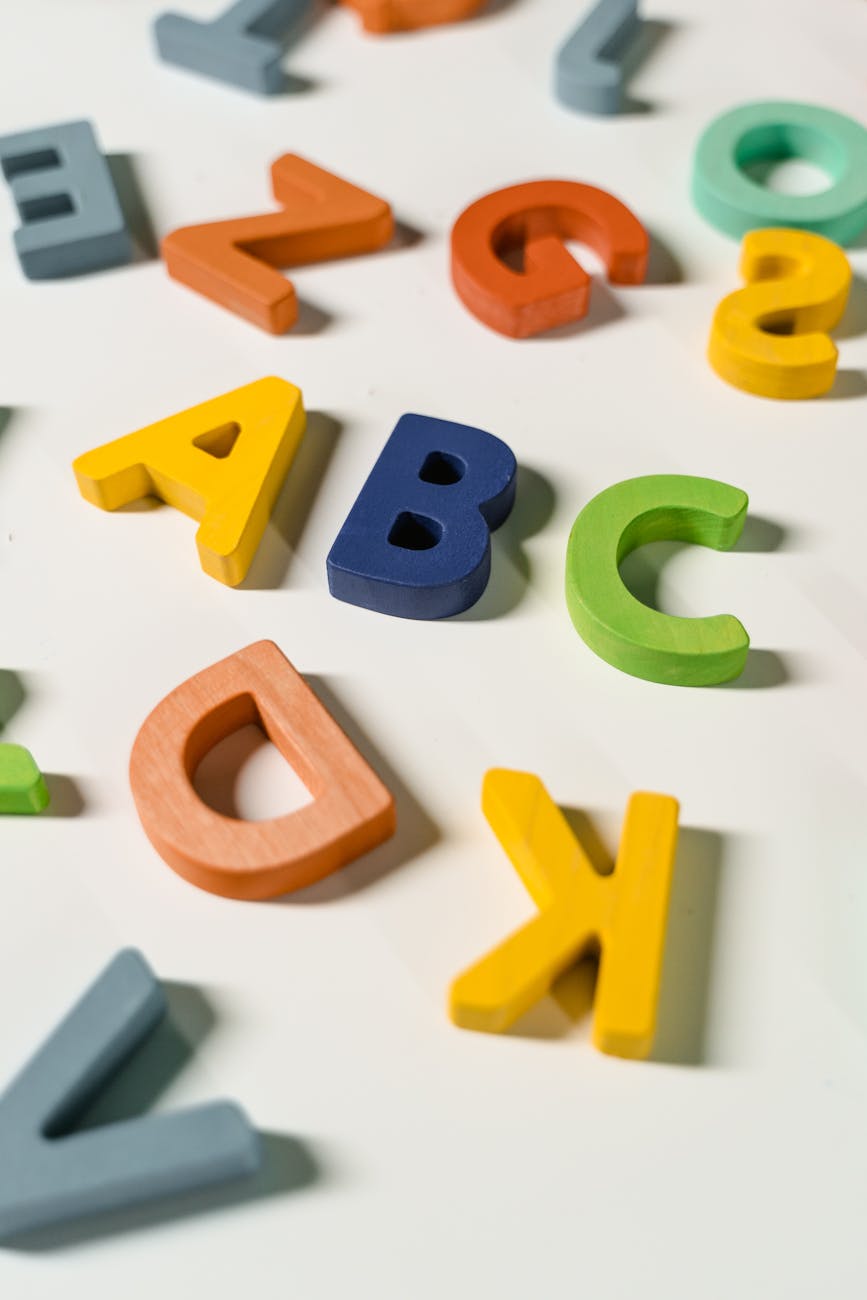
This post is the first in my “Teaching Your Child to Read at Home” series.
Whether you’re just getting started or teaching your fifth reader, I hope this series encourages you and offers practical tools to support your journey in teaching reading at home.
This post contains affiliate links. As an Amazon Associate, I earn on qualifying purchases. Thank you for supporting our Gratefully Wild Home!
Teaching a child to read is one of the first big milestones in a homeschool journey—and let’s be honest, it can feel a very intimidating hurdle. When my eldest finally began reading fluently, I breathed a sigh of relief. I wasn’t failing. (Of course, no homeschool mom is a failure—but hitting those milestone victories helps with confidence and endurance.)
So how exactly do you tackle reading as a homeschooling parent?
What method should you use?
What curriculum?
How do you know if your child has a learning disability?
I’m now teaching my fifth child to read, and I want to offer encouragement from the other side of those questions—along with practical insight into the different paths this journey can take.
When Should a Child Be Reading?
There’s no hard and fast rules or age when a child should be reading fluently. Some benchmarks suggest children must read by the end of Kindergarten, or have all letters and sounds memorized before they even start school. That always felt intense to me—why are we burning out kids starting at Kindergarten or before they may even ready? Then if a child does not meet these milestones, the child is labeled as a delayed reader. We need to break the box of standardized education and start focusing on the individual learner.
Children develop at different paces. There have in fact been studies that teaching a child to read “later” has no long-term disadvantages, and those children can have even better reading comprehension and develop a deeper love of reading. The studies also state that children who read at a later age, do eventually catch up to those children who started earlier.
In our homeschool, most of my children begin learning letters in Kindergarten and start reading fluently around age 7. Some have taken even longer. And you know what? It is perfectly ok, because my children learned to read at their own unique pace.
Not All Readers Are the Same
Like many new homeschool moms, I thought that reading would just come naturally if we simply started. But it doesn’t always work that way.
Some children are natural readers. Others need more time—and more support.
My oldest began reading in 1st grade, but I pushed him a bit more than I should have. He reads fine now at 13, but it’s not something he always enjoys. With later children, I’ve shifted to a gentler, more relaxed approach.
If your child shows interest in letters or sounds before age 5, that’s great! Follow their lead. But if you start seeing resistance or frustration, gently back off. Avoid burnout. Reading often comes more easily when a child is truly ready. Sometimes that may not be to at least age 6, and even close to 7. Remember there is no right or wrong path when it comes to teaching a child how to read.
Signs your child may be showing early interest in reading:
- Willingness to sit with a parent and follow simple instructions
- Asking about letters or pointing them out
- Eagerness to open books and “try” to read
A Waldorf-Inspired Approach
In the Waldorf method, formal reading instruction doesn’t begin until age 7. That doesn’t mean nothing is happening before then. Waldorf schools focus on language development, storytelling, and listening to read-alouds—all of which build the foundation for future reading success.
Listening to books is vital. It strengthens language, comprehension, and imagination.
📚 Some of our favorite read-aloud & audio tools:
- Read Aloud Revival – great booklists
- Libby & Hoopla (free through your local library)
- Audible (great for car rides)
- Yoto Player – screen-free, independent listening
What I’ve Learned With My Later Reader
With one of my more recent readers, I took a truly relaxed approach. He didn’t know his letters until age 6, and from there it was very slow progress. He did not have any signs of a learning disability (I have had one of these and will explain in other part of the series). I had to ignore outside voices saying he was “behind” and let him move at his own pace.
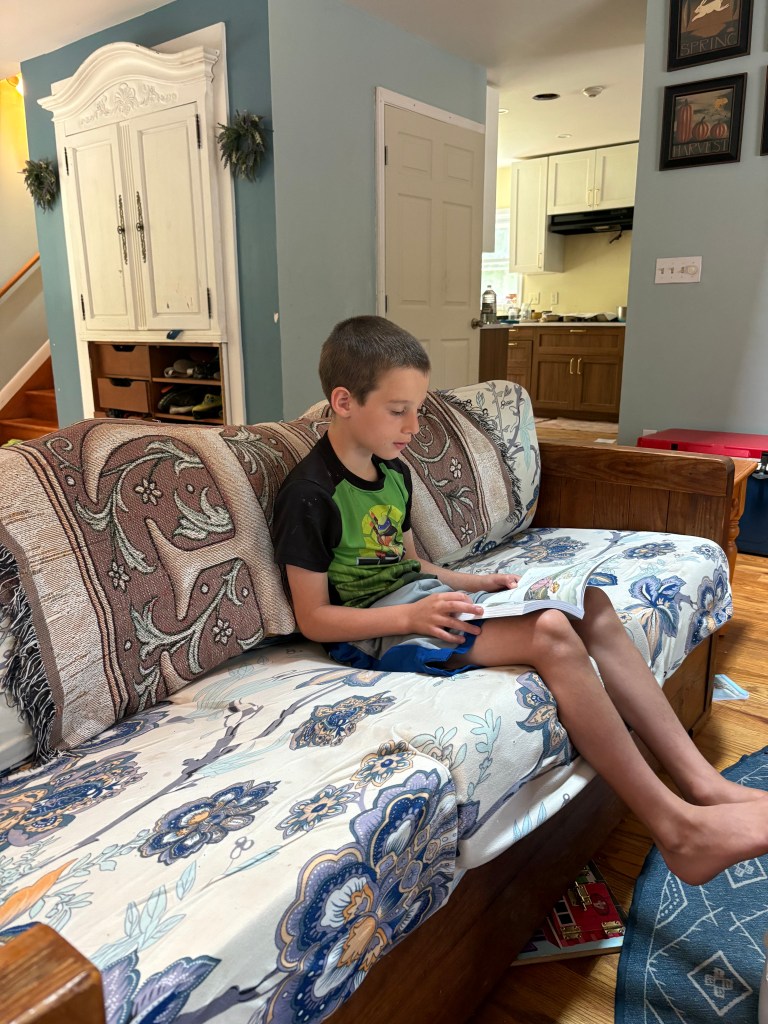
Now, at 8.5 and going into 3rd grade, he’s taking off with reading—and he loves it! He takes his time, reads with great comprehension, and even chooses to read independently.
Patience pays off. It’s hard to hold fast when other kids around you seem to be well into reading chapter books, yours is still struggling with letter sounds—but I promise you, your child will get there.
❤️ Final Encouragement
If you’re feeling behind, or if you’re comparing your child to others—stop.
Your homeschool doesn’t need to follow anyone else’s standards. The beauty of homeschooling is that you get to follow your own individual and unique child, not the system.
Stay tuned for Part 2, where I’ll share the specific activities, games, and tools we use in those early stages of learning to read!
💌 Want more real-life stories, printables, and family tips?
Subscribe below — it’s free and full of real encouragement.
✨ Come hang out with us!
Join our big family adventures and real-life moments over on Instagram, Facebook, and Pinterest.
🎙️ Let’s Collaborate
I’m always open to collaborations, podcast guest opportunities, or sharing our story in meaningful spaces. If you feel like we’d be a good fit, I’d love to connect!
Connect with me on LinkedIn.
You May Also Enjoy:






 Gratefully Wild Home
Leave a reply to Teach Your Child to Read at Home: Daily Habits for Strong Reading Foundations – Gratefully Wild Home Cancel reply