
📍 UPDATE: I’ve moved to Substack! Read the updated version of this post with new insights and audio reflection here: [Substack Post] Subscribe to Gratefully Wild Home on Substack for weekly homeschool tips, big family life, and exclusive resources!
Nine Years In: Still Learning and Finding Our Homeschool Rhythm
I’ve been homeschooling for nine years now. Somewhere I read that this officially categorizes me as an experienced homeschooler. That label feels a bit laughable—I’m still learning every single day! And honestly, it’s a little scary to think I fall into the “experienced” category.
But I suppose with that many years behind me, there’s some value in sharing what I’ve learned.
One of the most common questions I get is: “How do you schedule your homeschool days?”
You’d think, by now, I would’ve found the perfect formula—a go-to homeschool schedule that lays out exactly what subjects to do and when. I should have a structured routine, especially for the babies and toddlers who are always home with us.
But that’s the idealistic homeschool dream, isn’t it?
In reality, homeschooling doesn’t work that way. There is no magic key, no one-size-fits-all template. And that’s okay.
What does exist are shared experiences from other families—real-life homeschooling stories that help shape our own routines.
For us, our homeschool days are built around the phase of life we’re in right now. Currently, that means five school-aged children and two toddlers. Life is full. So, rather than following a strict formula, I adjust our days to fit this season.
And from this season, I’ve gathered a few thoughts and pointers that I hope will encourage you in yours…
As an Amazon Associate, I earn from qualifying purchases. That means I may earn a small commission at no extra cost to you if you make a purchase through one of these links. I only recommend products I use and love. Thank you for supporting Gratefully Wild Home!
Homeschooling is not bringing a brick-and-mortar school into your home
There’s a common misconception that homeschooling means doing exactly what a traditional school does—just under your own roof. In this view, children follow a rigid daily schedule, move through subjects by the clock, and sit in neatly arranged desks just like they would in a classroom building.
But that simply isn’t how real-life homeschooling works.
In a traditional school setting, kids are divided by grade and follow a highly structured routine, moving from one subject to the next on a timed schedule. It’s efficient, yes—but it’s also designed for a very different environment than the home.
Putting your kids in desks in a curated homeschool room doesn’t automatically mean they’ll complete subjects in order or stay on schedule. Homeschooling isn’t about re-creating a classroom—it’s about creating a learning lifestyle that fits your family.
Imagine it more like a one-room schoolhouse—except in your case, there’s a baby climbing on the table, dumping school supplies on the floor; a toddler tumbling across the room yelling, “Look at me!”; and Mom juggling cooking, cleaning, and nursing the baby while also teaching.
This isn’t chaos—it’s a life-filled homeschool day.
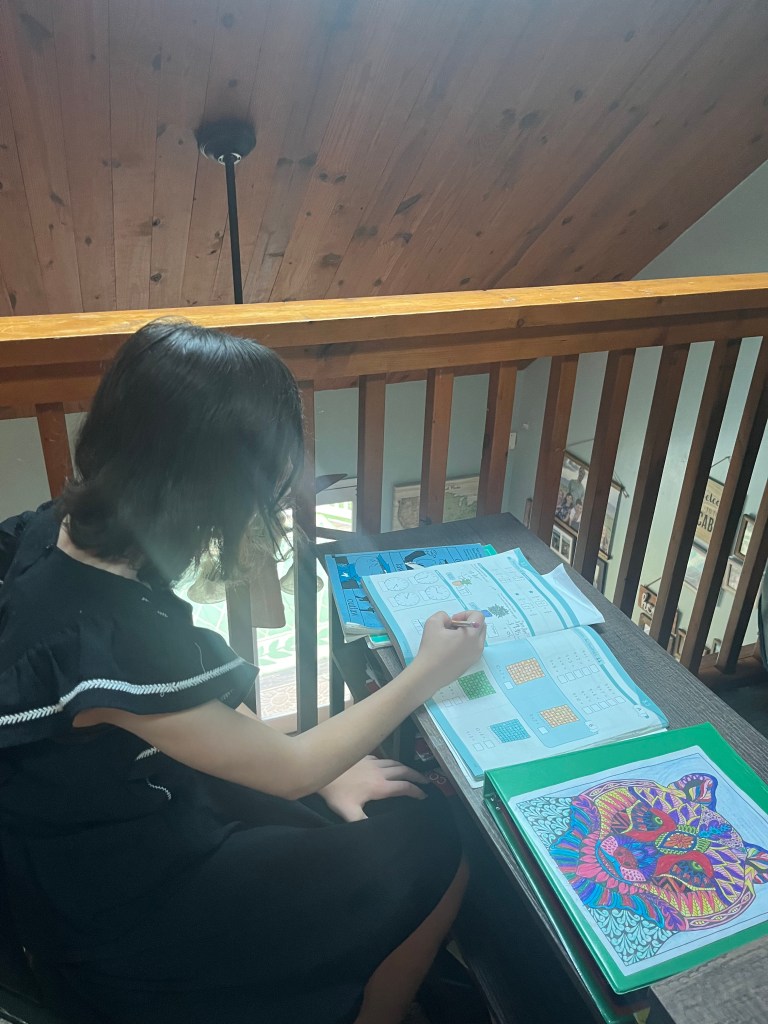
The sooner you release the expectation of a perfectly timed school day, the more freedom you’ll find. The first step in developing a realistic homeschool routine is choosing a space in your home that supports learning and living.
And your homeschool schedule? It will naturally weave around the baby, the toddler, the meals, the laundry, and the rhythm of your unique family life. This is where the true joy of homeschooling begins—when your family finds your rhythm, not someone else’s.


Build a Flexible Homeschool Schedule Around an Order of Events
When creating a daily homeschool schedule, avoid rigid time blocks. Instead, try building your routine around an order of events—a rhythm that flows with your day rather than against it.
In my own home, strict time slots have always set me up for failure. If I miss that very first block (which happens more often than not), it throws off the rest of the day. And with little ones, the mornings can be unpredictable. Some days the baby needs extra attention. Other days I’m catching up on sleep after a long night. Starting school at a specific time isn’t always realistic—and that is normal life.
In fact, it’s better than okay. A well-rested mom often means a more productive, peaceful day.
I also try not to wake sleeping children. No, they don’t sleep the day away—but sleep is so vital to their growth, and waking them unnaturally usually results in grumpy, unmotivated students. Letting them wake up on their own (within reason) contributes to a smoother homeschool morning.
And when my husband and I happen to wake before the children, we savor it—stealing a few quiet minutes for coffee and connection. In a busy household, those small windows of marriage time matter, and we try to honor them when they come.
Of course, even with the best intentions, homeschooling with little ones brings daily interruptions: a diaper needs changing, a spill needs cleaning, someone needs a snack, or there’s an unexpected appointment.
That’s why grace-filled time is essential in any homeschool routine.
So instead of locking your day into time slots, plan it around the order of what needs to be done. Prioritize key subjects and family needs. If something truly must happen at a certain time (like a co-op class or appointment), build the rest of the day around that.
Think of your schedule as having a spine—a basic structure to keep your day aligned—but allow flexibility in how it moves. The beauty of homeschooling is not just in the learning, but in the freedom to adapt.
Use Timers to Manage Subject Time
While homeschooling doesn’t require perfect time blocks, a helpful practice is to set timers for how long to spend on each subject. If you’re following a specific curriculum, it can be tempting to complete everything each day. But homeschooling allows space for children’s individual needs. Set timers for subjects, not tasks. Sometimes kids even need to build on the time. For example, if math takes a lot of tears and struggle. Set a timer for 10 or 15 min. and then slowly build up to the ideal amount of time. Whatever isn’t finished can be moved to the next day. And most importantly, consistency is better than quantity. The fact that a student is doing math every day is way more important than how much math a student does each day.
Recently, I purchased some simple timers for our schoolroom supplies, and they’ve been a great addition. It’s nice to avoid using the timer on my phone, which can be distracting.
Benefit from a 4-Day School Week
Planning for a 4-day school week can really help your homeschool schedule. This way, you always have a catch-up day or a lighter day to focus on house cleaning and other family needs.
Shop Some of Our Favorite Curriculum!
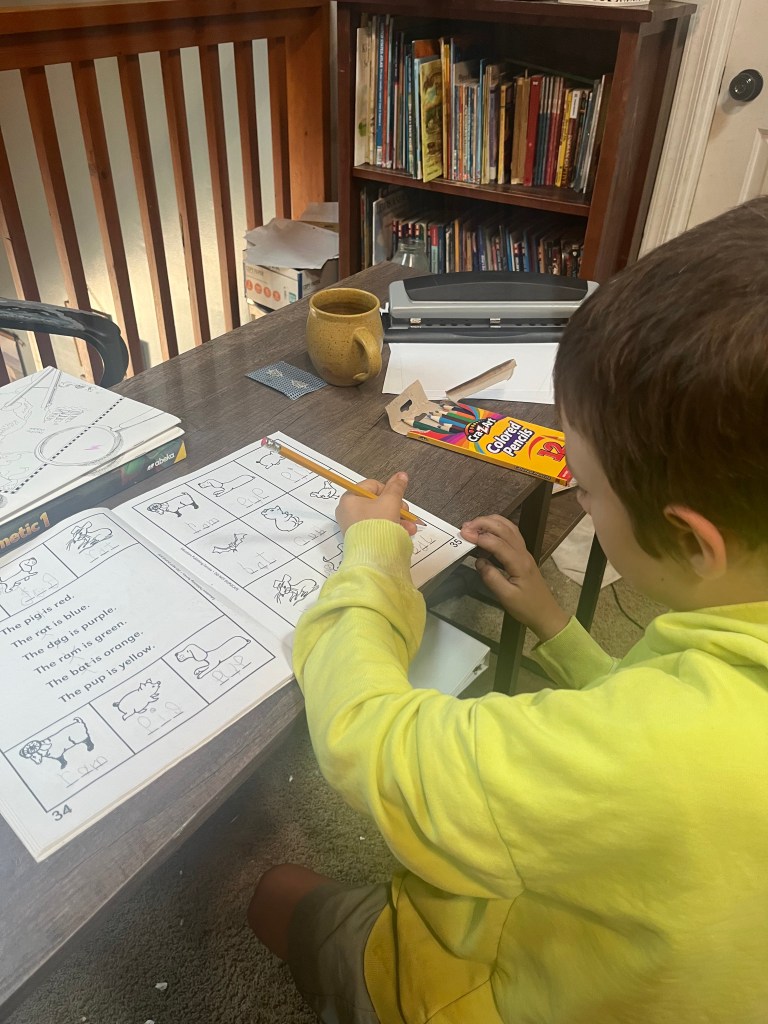
Primary Phonics: Favorite Reading Program!
Math With Confidence: This has been most helpful for kindergarten math and to change things up for a struggling student.
Try Block Scheduling for Certain Subjects
I’ve gone back and forth with block scheduling, but at times it’s been necessary and very effective. Scheduling certain subjects once a week—like history, geography, art, or music—can simplify the week instead of tackling many subjects every day.
For example, try art on Mondays and science on Tuesdays. Daily subjects like math and phonics stay on the regular schedule, while others rotate through the week.
Homeschooling When All Children Are in Lower Elementary Grades
Looking back at when my children were all in lower elementary grades, homeschooling felt easier. With only 2-3 kids, it was simple to fit school into our normal day.
During this time, we often completed reading, poetry, and music together around the breakfast table. Having children close in age was unexpected but truly a blessing. If your kids are all in lower elementary, try fitting school around meal times when they’re all gathered. I still read history over lunch sometimes—everyone eats well, and we check a school box. It’s a simple but satisfying accomplishment.
Rotate Children through the Schedule
When I was homeschooling four children all 4th grade and under, I struggled to meet their different needs. The “around the kitchen table” style didn’t work well for me either.
On top of that, my second child, Samantha, was diagnosed with dyslexia, which required extra attention. Plus, the baby and toddler needed constant care.
To make sure everyone got individual attention, I rotated who would work with me first each day. Whoever was last one day went first the next day, helping us catch up. It was imperfect, but everyone kept learning. We always completed the most important subjects—math and phonics—every day.
Involve Older Children in Helping Younger Siblings
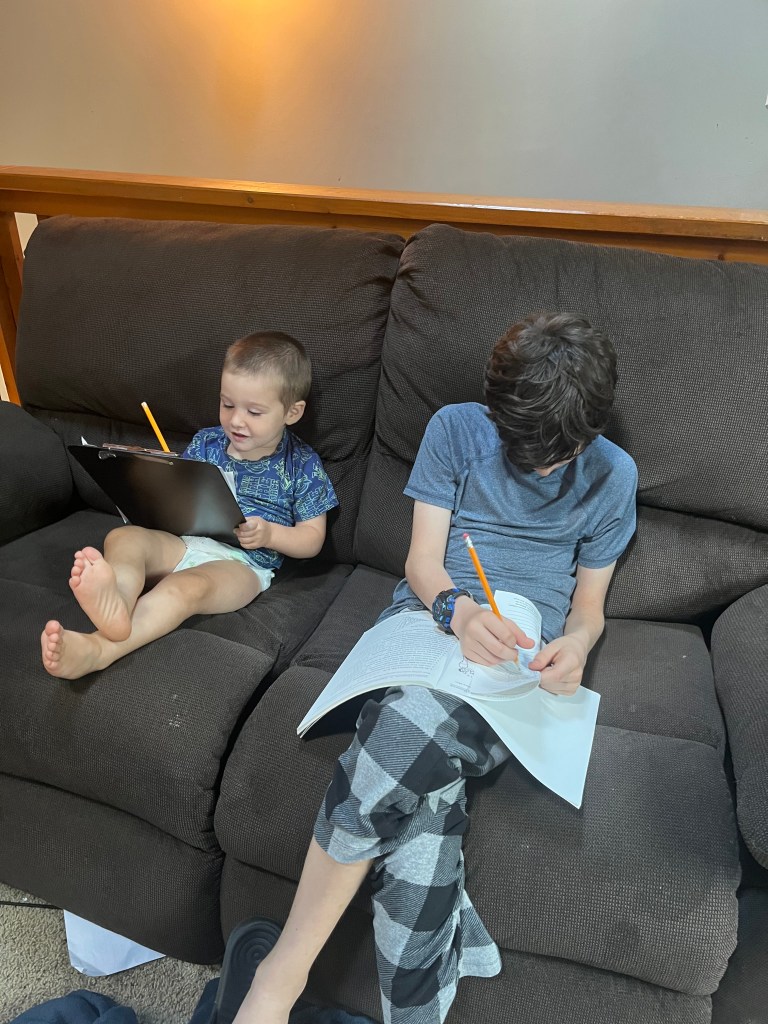
When one child worked with me, others helped care for the baby or toddler. This practice still continues today! Older children often jump in to help younger siblings, which sometimes means they procrastinate their own work a bit longer—but it fosters beautiful family bonds.


Include Chores as Part of the Homeschool Schedule
If everyone needs time with me or has finished their individual work, chores become a great option. Homemaking is a valuable subject too! For example, sorting laundry while listening to a historical fiction audiobook combines learning and responsibility.
Allow Time for Free Play and Creativity
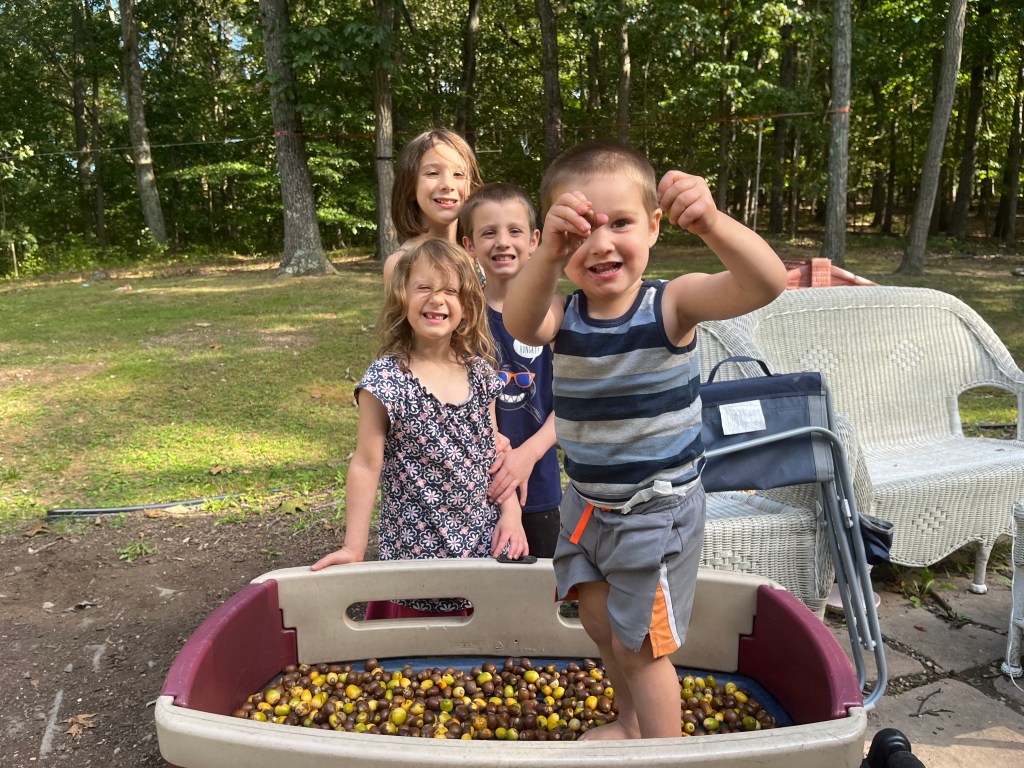
If I’m unable to work with the children directly, free play—whether outside, building Legos, or playing creative games—is essential. Homeschooling nurtures the childhood freedom that’s often missing in today’s structured world. A rotating schedule balances vital one-on-one parent time with each child, encourages imaginative play, and creates harmony between structure and freedom.
Be Selective with Extracurricular Activities
As homeschooling grows in popularity, more extracurricular opportunities are available than ever—homeschool dance, homeschool sports, co-ops, and more. It’s easy to feel like you should do it all, but overloading your schedule with outside activities can leave little time for actual homeschooling.
If you’re constantly leaving the house, school will likely take a backseat. To avoid this, try to keep daytime outside activities to no more than once a week—and consider limiting them to a specific season. For example, we participate in a Friday morning co-op that runs for just six weeks in the fall and spring. It makes our schedule a little busier during those times, but it’s manageable because it’s short-term.
I also structure our weeks to ensure we have at least three days at home until 2 p.m. This allows us to stay grounded in our homeschool routine while still enjoying extracurriculars.



Schedule Appointments Wisely
Another key to protecting your homeschool flow is to avoid scheduling midday appointments. I used to do all our appointments in the morning, but I found that by the time we got home, our day was rocky and unfocused.
Now, I aim to schedule appointments either very early—before my husband starts work—or late in the afternoon. This way, when I return, the kids are just starting their school day, and it’s a much smoother transition for everyone.
Embrace a Gentle Newborn Phase Schedule
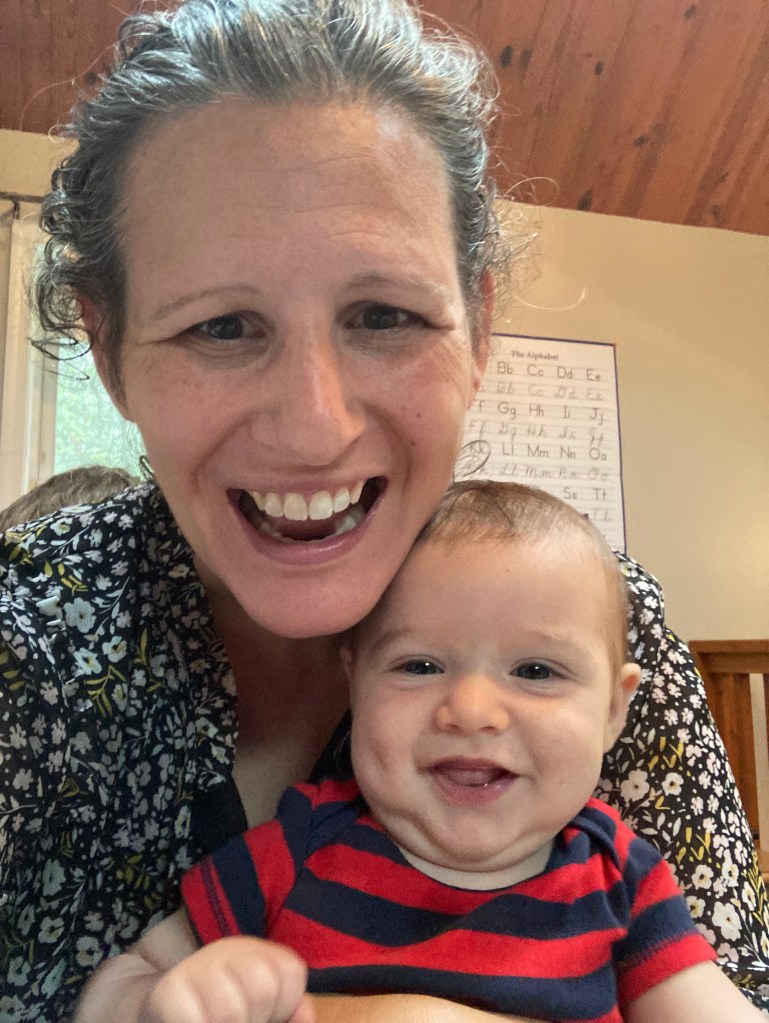
I’ve welcomed many babies during my eight years of homeschooling, and I’ve learned that homeschooling with a newborn requires a flexible, grace-filled approach. Those early days of snuggling a tiny baby are precious—and they’re educational, too.
There’s definitely a juggling act between nursing, caring for the older kids, and keeping up with housework. During these couch-bound days, I often have a child sit next to me to read aloud or complete some light schoolwork. This way, when I’m up and about, I can shift focus to other household responsibilities.
Yes, it’s less formal school time—but newborn weeks are part of the homeschool journey, too. Watching the older siblings bond with the baby creates cherished memories and a unique, real-life education in love, responsibility, and family life.


Start with Younger Children First in Your Homeschool Day
Now that I have a mix of middle schoolers and elementary-aged kids, I’ve learned an important strategy: start with the younger children first.
While my older children can complete a good portion of their work independently, the younger ones (3rd grade and under) need more hands-on help—and if I don’t work with them first thing, their schoolwork often doesn’t get finished at all.
Younger children are also harder to pin down as the day progresses. Their attention spans are shorter, their energy levels shift quickly, and once the momentum of the day picks up, it’s challenging to circle back and engage them effectively.
Additionally, they’re the ones still forming the habit of homeschooling. Prioritizing them early in the day helps build routine, focus, and a sense of accomplishment—for both of us.
Homeschooling Through Different Phases of Family Life
Right now, our current phase of life feels a little calmer—I’m not pregnant or nursing, which is a shift from the past years. Our eldest is now 12, and having older helpers definitely makes a difference.
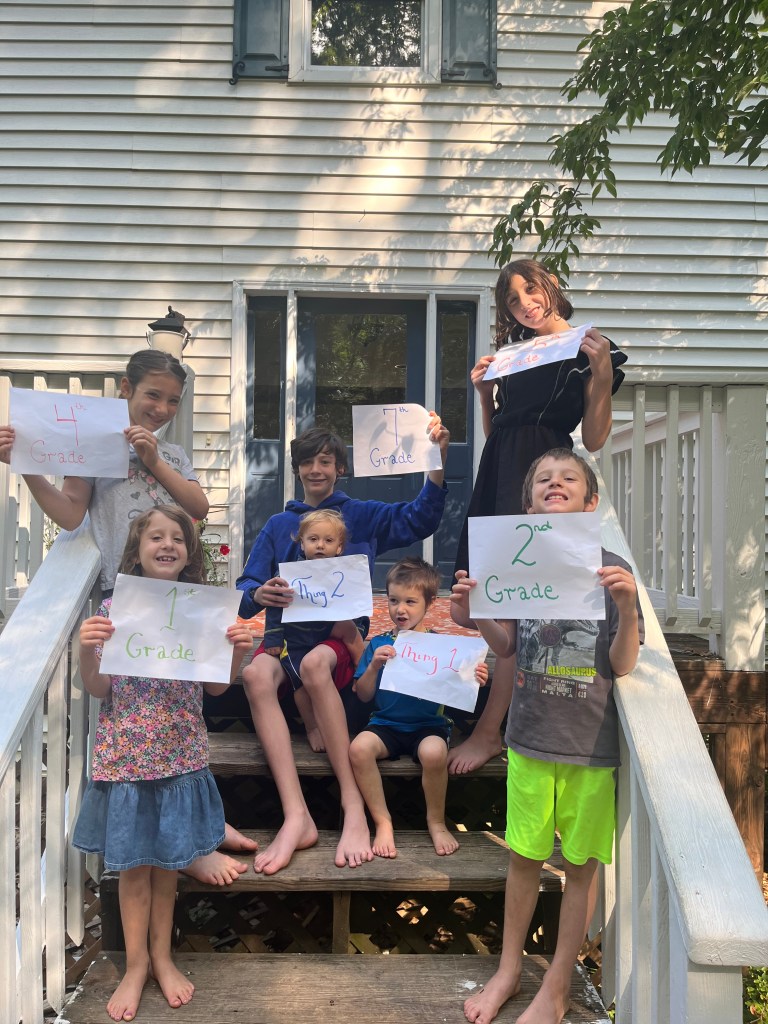
That said, homeschooling five children—7th grade, 5th grade, 4th grade, 2nd grade, and 1st grade—while also keeping up with “Thing 1” (our energetic 3-year-old) and “Thing 2” (our curious 1-year-old) brings its own kind of beautiful chaos.
We’re incredibly blessed that my husband works from home. Because of this, we’re able to start each day together with a family breakfast and morning prayers, which sets a peaceful tone before diving into the day’s work.
From there, I follow my earlier tip: start the day with my younger two (1st and 2nd grade). Their schoolwork usually takes just over an hour, and once finished, they often help entertain the toddlers so I can focus on the older kids.
My 3-year-old also loves being part of our homeschool atmosphere. He’ll listen in during read-alouds and enjoys coloring while the older children work. I’ve found that keeping a stash of crayons, coloring books, and old workbooks gives toddlers a way to feel included. Scribbling in “real” workbooks helps them feel like they’re doing school too!
Involving the entire family in the homeschool routine—even if it feels like a juggling act—helps us all feel connected, productive, and part of a shared mission.
As we continue to move through the seasons of life, I’m sure I’ll learn new strategies and rhythms. But what I love most about homeschooling is that each schedule can be customized to fit your family’s unique needs. That flexibility has allowed us to create a home-centered lifestyle that grows with us.
Check Out My Favorite Homeschool Products on my Amazon Finds post!
Looking for affordable homeschooling curriculum? Christianbook is my favorite resource!

You Might Also Enjoy:
- Starting Your Homeschool Journey: Encouragement & Tips for Parents – my best tips I have gathered after homeschooling for 8 years!
- The Homeschool Choice – Why We Chose to Homeschool
💌 Want more real-life stories, printables, and family tips?
Subscribe for free!
📷 Love behind-the-scenes family life?
Come hang out on Instagram: @gratefullywildhome
📌 Pin-worthy content your family will love?
Follow Gratefully Wild Home on Pinterest for motherhood encouragement, printables, and real ideas that work.
👍 Want more posts like this one?
Follow Gratefully Wild Home on Facebook for our latest updates.






 Gratefully Wild Home
Leave a reply to Top Homeschool Room Essentials from a Mama of 7 – Gratefully Wild Home Cancel reply