
This is Part 2 of Teach to Read at Home Series. If you missed part 1, read it here.
Teaching Reading at Home: Consistency Over Quantity
No matter the method, the age, or the timeline — a student will learn to read. Yet, one key factor in learning to read is consistency. It’s also vital to remember: consistency over quantity.
Disclosure: This post contains affiliate links from Christianbook.com and Amazon. I only share products I personally love and recommend. As an Amazon Associate, I earn a commission from qualifying purchases. I have also partnered with Game Note through Creator Connections, which means I may receive compensation for purchases made through these links.
Why Daily Reading Matters
I know how busy things get in homeschool family life, especially in a large family. But a child will thrive far more from 5 minutes of daily reading than from a chunk of time sporadically throughout the week.
Of course, in those early stages, it’s preferred to aim for about 20 minutes a day. But life happens — and 5 minutes is always better than 0 minutes.
Finding Time for One-on-One Reading

If you have a child in the “learning to read” stage, focus on when you can fit that individual reading time into your day.
- Sometimes it might mean getting up a little earlier with that child to have quiet, focused time.
- If the baby needs an early nurse and your reading child is up, bring the reading materials to bed for a few minutes before the day’s demands begin.
- Nap time for younger siblings can also be a golden opportunity for reading practice.
- Beginning the school day with the younger ones first will also help ensure that their reading practice is completed.
Daily reading is crucial because reading is the foundation of education. Once a child can read independently, their ability to complete schoolwork on their own will grow.
Make your life easier with simple, practical tips for homeschooling, family travel, and big family living. Subscribe to get my best resources delivered to your inbox!
First Steps: Letter Recognition and Sounds
There are many different programs to teach reading (I’ll cover those in Part 3), but the first step in any approach is letter recognition and sounds.
A great starting point is the Explode the Code Primer Series:
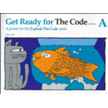
Get Ready for the Code, Book A
By Educators Publishing Service
The first primer in the series, teaching early literacy skills and consonants b, f, k, m, r, and t.
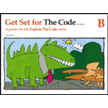
Get Set for the Code, Book B
By Educators Publishing Service
The second primer, covering consonants d, h, j, n, p, and s with phonemic awareness and writing practice.
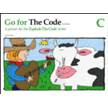
Go for the Code, Book C
By Educators Publishing Service
The third primer, teaching consonant sounds c, g, l, q, v, w, x, y, and z, with review of Books A–C.
It covers all the consonants and their sounds, plus includes writing and matching activities that build observation and processing skills — key building blocks for a strong reading foundation.
Fun, Motivating Tactics for Learning Letters
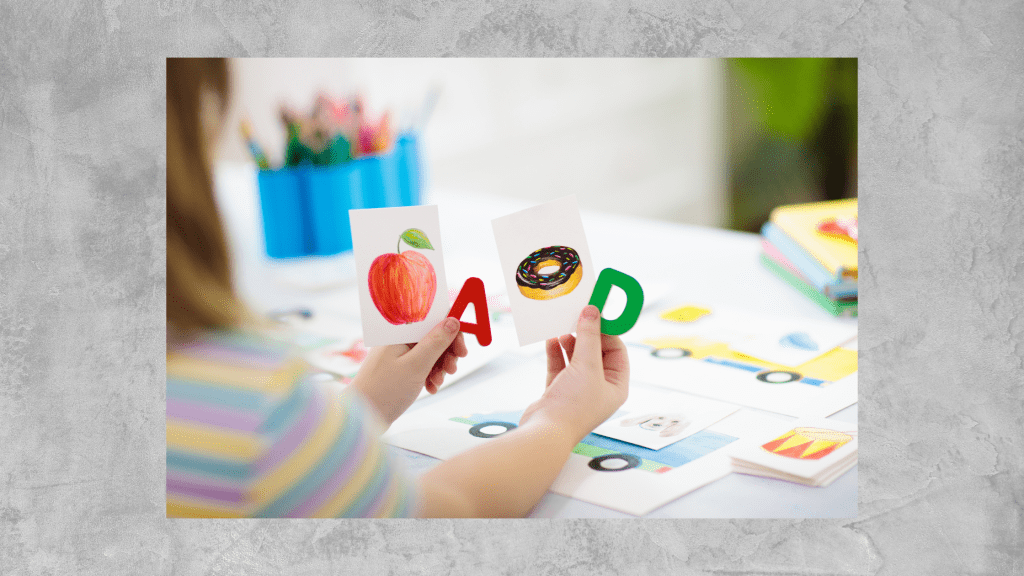
Sticker & Flash Card System
One method I’ve used is classic flash cards paired with a sticker system. Every time a letter is correctly identified, the student puts a sticker on the back of the card. I don’t know what it is, but stickers are very motivating!
You can also use a sticker chart. Once the student earns a certain number of stickers — hello, ice cream reward!
Tip: Letters that are already mastered don’t need to be reviewed every day. Two to three times a week is plenty. Start each lesson with the mastered letters to build the child’s confidence right away.
Sensory-Based Learning
Some children benefit from sensory materials to master letters. Try:
- Shaping letters in sand or shaving cream while saying the sound aloud.
- Using magnetic letters on the fridge so you can teach while cooking.
You can also ask the child to find a letter and say its sound — or give them the sound and have them find the matching letter. Over time, you can start building words this way too.
When reading practice is woven into everyday life, it doesn’t always feel like “school work,” which is especially helpful for reluctant readers. This approach can also help lay a foundation for a love of learning.
Have Questions?
Have a question about how to start teaching your child to read? Drop it in the comments — I’d love to help!
Coming next: Finding the Right Reading Curriculum (Part 3)

Want more tips & updates? Come follow along on my socials!
Want more homeschool tips? Subscribe below, its free and you can personalize which topics you want to be updated on.
🎤 Love chatting about motherhood, big family life, and homeschooling? I’d love to speak at your next event—let’s connect on LinkedIn!
Enjoyed This Post? You can also check out:






 Gratefully Wild Home
Leave a comment